Review: Medical Biotechnology Icon for Embroidery
As a designer who has spent years translating digital concepts into thread, I approach every new Medical Biotechnology Icon with a specific set of questions. Will it stitch cleanly? Does the concept translate well to fabric? Is it versatile enough for the diverse needs of my craft business clients? When I first loaded this vector illustration into my digitizing software, I was struck by its clarity. The theme of clinical drug development and genetic engineering is often represented by cluttered, overly complex graphics. However, this design takes a different approach, offering a streamlined visual that respects the limitations and strengths of machine embroidery.
First Impressions and Visual Personality
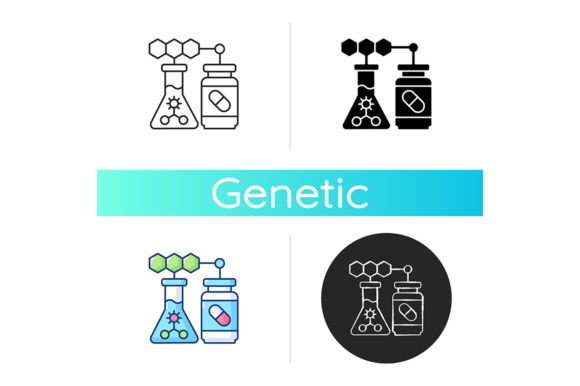
The immediate mood of this icon is professional and precise. It avoids the cartoonish feel that sometimes plagues healthcare-themed graphics, opting instead for a clean, linear aesthetic. For an embroidery designer, this is crucial. The layout suggests a balance between modern minimalism and technical accuracy. The inclusion of both linear black and RGB color styles in the source file indicates that the creator understands the need for versatility. In a digital context, these isolated vector illustrations serve as excellent design assets for printable mockups or branding materials. But our focus here is on how this translates to a tangible finished product.
The visual personality is calm and authoritative. It does not scream for attention but rather establishes trust. This makes it an ideal candidate for projects where professionalism is paramount. Whether you are creating branded uniforms for a pharmacy manufacturing facility or a personalized gift for a medical student, the tone is appropriate. The shapes are distinct, avoiding the muddy look that occurs when too many elements compete for space within a small hoop area.
Real-World Application: The Custom Tote Bag Scenario
To truly evaluate a design, I like to visualize it in a specific project. Imagine a client who runs a small biotech startup and wants promotional items for a conference. They request a high-quality tote bag design that reflects their work in healthcare industry production. Using the Medical Biotechnology Icon here is a strategic choice. A tote bag offers a flat, stable surface, which is perfect for showcasing the linear details of the icon.
In this scenario, I would likely choose a sturdy cotton canvas. The contrast between the thread and the fabric is key. If using the linear black style, a white or natural beige bag provides maximum readability. If opting for the RGB color style, I would ensure the thread colors are vibrant but not neon, maintaining the professional aesthetic. The result is a functional, stylish accessory that serves as a subtle advertisement for the brand. It feels less like merchandise and more like a thoughtful handmade product that the recipient will actually use.
Performance Across Different Garments and Items
Beyond tote bags, this icon shows promise in various other applications. For sweatshirt embroidery, the design’s simplicity works in its favor. Sweatshirts have a thicker texture, and overly detailed designs can get lost in the pile of the fabric. The bold lines of this icon ensure that the message remains clear even on textured materials. Similarly, for custom apparel like lab coats or scrubs, the icon adds a touch of personalization without overwhelming the garment’s professional appearance.
When considering baby embroidery, such as on a onesie for a child of parents in the medical field, the design might need scaling down. Here, caution is required. The intricate details of genetic engineering symbols must be checked for minimum stitch width. If the details are too fine, they may not hold up well after washing. However, if scaled appropriately, it makes for a unique and meaningful personalized gift. For embroidered patch creation, the isolated nature of the vector allows for easy shaping. A circular or shield-shaped patch featuring this icon could be a popular item for Etsy sellers targeting medical professionals.
Navigating Technical Challenges
While the design is strong, there are areas where careful attention is needed. Embroidery on curved surfaces, such as caps, requires a design that is not too wide. The Medical Biotechnology Icon appears to have a balanced aspect ratio, but I would advise checking the width against your standard cap hoop size. Additionally, when stitching on dark fabric, the linear black style will obviously disappear. In such cases, the RGB color style must be adjusted to ensure sufficient contrast. Lighter threads or metallic accents might be necessary to make the design pop against navy or black backgrounds.
Stitch density is another critical factor. Linear styles often rely on running stitches or narrow satin stitches. If the digitizer has used too many running stitches, the design may look sparse on thick fabrics. Conversely, if fill stitches are used excessively in small areas, it can cause puckering. I recommend testing the design on scrap fabric that matches your final project material. This step allows you to inspect small details and confirm that the stitch density is appropriate for the fabric texture. Always use a proper stabilizer to support the fabric, especially if the design includes dense areas.
Enhancing Brand Value and Customer Trust
For small business owners and Etsy sellers, the quality of the design directly impacts perceived value. A crisp, well-executed embroidery job signals professionalism. Using a generic or poorly digitized icon can detract from the overall quality of a small shop product. The Medical Biotechnology Icon, with its clean lines and relevant theme, helps build brand consistency. It tells a story of precision and care, which aligns well with the values of the healthcare and biotechnology sectors.
Customer trust is built on these small details. When a buyer receives a holiday embroidery gift or a corporate order that looks polished and intentional, they are more likely to return. The versatility of this icon allows it to fit into various collections, from commercial embroidery projects for large companies to niche items for individual enthusiasts. It bridges the gap between technical accuracy and aesthetic appeal.
Practical Notes for Designers
Before committing to a full production run, take the time to review the technical specifications. Since the product description mentions isolated vector illustrations, ensure that the digital embroidery file you receive is properly converted for your machine. Check the recommended hoop size and confirm that the design fits within your equipment’s capabilities. If the license terms are not explicitly stated in the file metadata, reach out to the provider to confirm whether the design is cleared for commercial use. This is vital for anyone selling finished products or using the design in client work.
Test the design in both black and white mockups to see how it holds up without color. This is particularly useful for understanding the structural integrity of the lines. Compare how it looks on light versus dark fabric backgrounds to plan your thread palette effectively. By treating the Medical Biotechnology Icon with the same rigor you would apply to any high-stakes project, you ensure that the final result meets the high standards expected in today’s competitive market of handmade and customized goods.